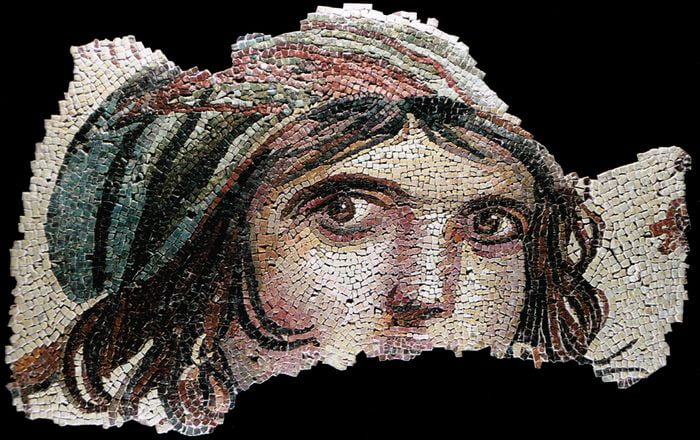
Although robbery is severely punished in these regions, it is still often committed. Gypsies, in particular, are believed to be well practiced in this dangerous trade. For this reason, special care is taken to protect travelers along unsafe roads. In many dangerous passages, drummers are appointed to give warning signals.
In Macedonia, while passing through a narrow mountain pass, I saw an old man standing on the ridge of a hill, beating a drum. This sound served as a signal to travelers below. By hearing it, we were informed that the passage was clear and free from thieves. Such simple methods were widely used and provided a sense of safety in places where danger might easily appear without warning The Story of Sigismund a Former Slave.
Travel by River and Convoy
We enjoyed good arrangements for travel after leaving Comoro. Our boat was towed by a saick with twenty-four oars. Hungarians rowed on one side of the boat, and Germans rowed on the other. This continued until we reached Motets, a frontier town. There, we were provided with a Turkish convoy for protection.
The Turks fastened our boat to their own saick, which had eighteen oars, and together we rowed down the Danube. We carried the imperial eagle on our flag, while the Turks displayed the double sword and the half-moon. In this manner, we passed by many remarkable and notable places before arriving safely at Buda.
From Buda, we found good travel arrangements to Belgrade. We traveled by open chariots drawn by two, three, or sometimes four horses side by side. These vehicles moved at great speed across the pleasant and wide plains, making the journey both swift and enjoyable.
Journey Through Plains and Mountains
After leaving the plains, we continued through Serbia and other provinces. We were supplied with very good horses, which could travel about twenty miles in a single stage at a steady pace. These horses were sure-footed, a quality I experienced personally when we crossed steep hills, uneven ground, rocky paths, and bare stone surfaces Tour Guide Ephesus.
Despite these harsh conditions, the horses remained firm and steady. Their confidence and strength gave us comfort, especially in places where a misstep could have caused serious danger.
Nature and Training of the Horses
These horses are very free in spirit and sensitive by nature. Because of this, their owners took offense when we used spurs, as spurs are rarely used by them. The Turks themselves did not carry spurs, except those we brought with us and later gave to them.
The horses were gentle, obedient, and tender-mouthed. When we mounted or dismounted, they placed themselves neatly and patiently in the right position. When we chose to walk for a time, some of the horses followed us freely without being led.
Their horseshoes are lighter and smaller than those used in our countries. When a horse had one foot shod, it would lift the other foot willingly, pressing it against the first, so that the shoer could work more easily. This showed both the intelligence of the animals and the care with which they were trained.
Reflections on Travel and Transport
Throughout this journey, the quality of travel arrangements surprised me. Despite the dangers of robbery and rough terrain, the systems of protection, transport, and animal care were well developed. From river travel with armed convoys to swift chariots and strong horses, every part of the journey showed careful planning.
These experiences taught me that even in lands often thought to be unsafe or uncivilized, there existed order, skill, and practical wisdom. Travel was not without risk, but with preparation and cooperation, it could be both secure and remarkably efficient.